Pioneering Cancer Research
& Clinical Trials.
At SSIMS Hajipur, treating cancer is our duty, but curing it is our mission. Through our advanced Research & Trials wing and prestigious educational programs, we are actively shaping the future of oncology.
Nurturing Future
Surgical Oncologists.
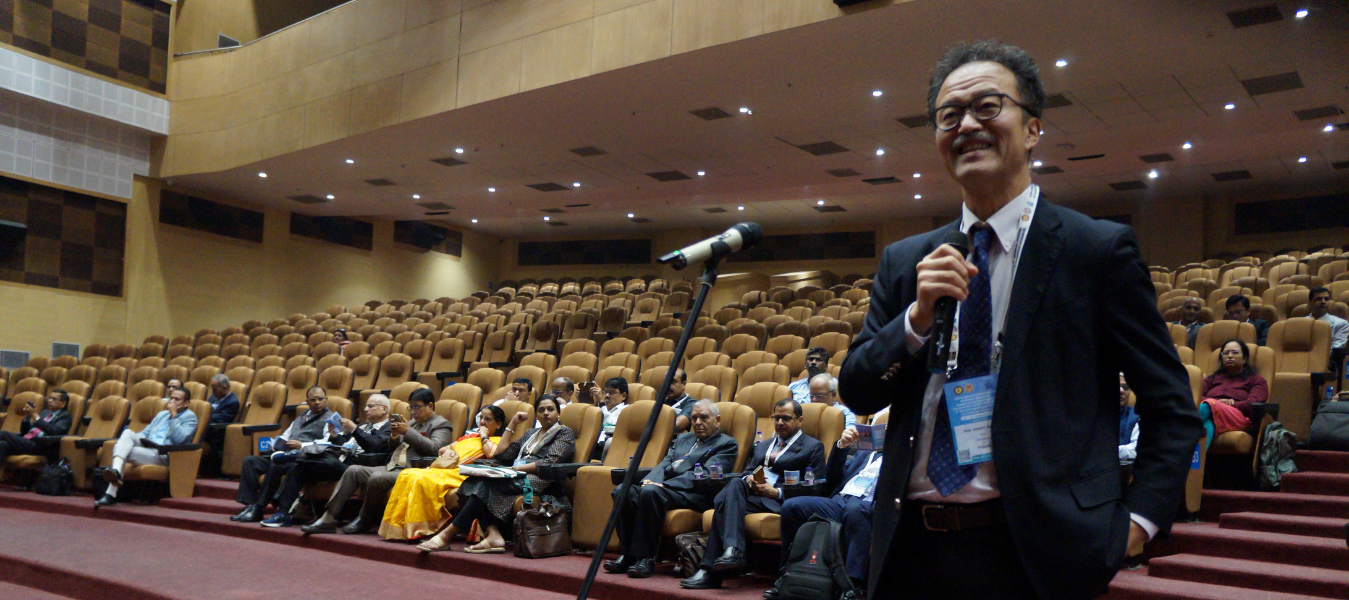
SSIMS Hajipur is a recognized hub of academic excellence. Our flagship M.Ch. program is designed to shape the next generation of top-tier surgical experts through rigorous clinical training and advanced research.
M.Ch. in Surgical Oncology
Super Specialty Postgraduate Program
Dedicated to specialized training in oncological surgery. This comprehensive 3-year course prepares students with in-depth knowledge, advanced research capabilities, and the complex clinical skills required to treat advanced cancer cases.
Ongoing Research Projects
Click on any project to read the detailed insights. Our clinical and translational research projects are constantly pushing the boundaries of cancer care.
Targeted Therapies for Advanced Tumors
Investigating the efficacy of precision medicine on specific genetic mutations found in oral and breast cancers prevalent in our region.
This ongoing study focuses on profiling genetic mutations (such as EGFR and HER2) specific to the demographic of Bihar. By identifying these biomarkers early, our oncologists aim to administer highly targeted therapies that attack only cancer cells, leaving healthy cells intact. Preliminary data shows promising improvements in progression-free survival rates for advanced-stage oral cancer patients.
Minimally Invasive Surgical Outcomes
A comparative study on patient recovery times and long-term survival rates using laparoscopic vs traditional surgical oncology methods.
Our surgical oncology department is actively tracking over 500 cases to compare traditional open surgeries with modern laparoscopic techniques in gastrointestinal cancers. The research evaluates metrics like post-operative pain, blood loss, hospital stay duration, and 5-year oncological safety, proving the superior benefits of minimally invasive interventions.
Tobacco-Induced Carcinogenesis
Analyzing molecular pathways in patients with a history of chewing tobacco to develop early detection biomarkers.
Given the high prevalence of smokeless tobacco (Khaini/Gutkha) use in our region, this critical research examines the cellular and DNA-level changes in the oral mucosa. The ultimate goal is to discover non-invasive saliva-based biomarkers that can detect precancerous lesions years before they develop into full-blown malignancies.
Palliative Care Innovations
Evaluating the impact of holistic pain management and psychological support on the overall survival rate of late-stage patients.
This behavioral and clinical study measures the 'Quality of Life' index in advanced cancer patients. By integrating early palliative care, psychological counseling, and advanced pain relief protocols alongside active chemotherapy, we are researching how emotional well-being directly impacts physical endurance and treatment response.
Translating Research into Public Awareness
Tobacco: The Sweet Poison
Our epidemiological studies confirm that individuals consuming tobacco (Khaini, Gutkha, Beedi) have a 15 to 20 times higher risk of developing cancer. We actively drive cessation programs to combat this epidemic.
Vaccine Efficacy Studies
We advocate and study the impact of preventive vaccines. Administering the HPV vaccine to girls between 11 to 20 years of age significantly eliminates the lifetime risk of cervical cancer.
Dietary & Lifestyle Factors
Our research extends to environmental factors, educating the community on the risks of chemical fertilizers and carbide-ripened fruits, promoting a diet low in fat and red meat.
Participate in Clinical Trials
Clinical trials are the vital link between laboratory discoveries and life-saving treatments. SSIMS Hajipur conducts ethically approved clinical trials (approved by the Institutional Ethics Committee). Participating gives patients access to the latest, breakthrough cancer therapies before they are widely available, while advancing medical science for future generations.